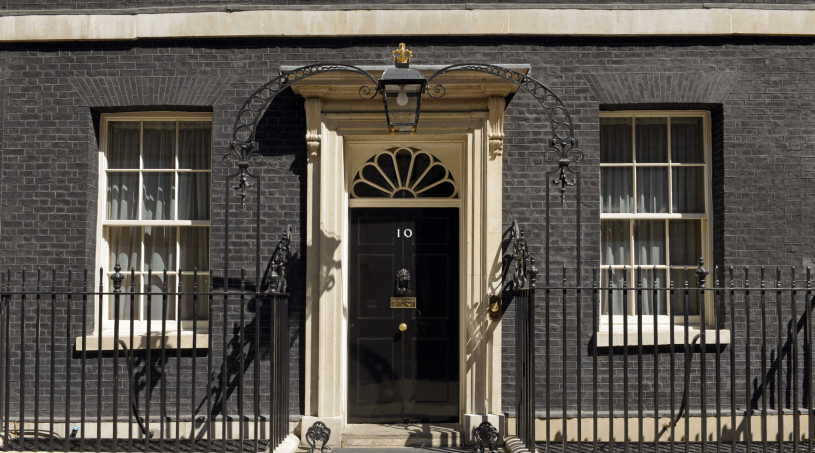
As the latest budget announcement has rolled out, it brings with it a range of changes that will directly and indirectly affect the housing market. Whether you’re a first-time buyer, a property investor, or simply interested in how the housing sector will be influenced, here’s a breakdown of the key budget changes and what they could mean for the future of buying, selling, and investing in property.
1. Stamp Duty Adjustments
One of the headline items in the new budget is the adjustment to stamp duty. Here’s what’s changed:
- Increased Rates for Second Properties and Investors: The government has increased the stamp duty for additional properties and buy-to-let investors. This change is likely aimed at discouraging excessive buy-to-let investments in high-demand areas to make more room for residential homebuyers.
- First-Time Buyer Relief: While second-home purchases face increased rates, first-time buyers will benefit from more favorable rates or even extended reliefs up to certain property values. This move aims to keep the market accessible to new entrants, making homeownership a more realistic goal for those starting out.
What It Means: For first-time buyers, this is a great opportunity to enter the housing market with less upfront cost on stamp duty. Investors may need to reassess their strategy, particularly in higher-value markets where the increased rates can significantly impact profitability.
2. Incentives for Green Home Improvements
The budget also included substantial incentives for energy-efficient home improvements, targeting both homeowners and landlords. Key changes include:
- Tax Deductions and Grants: Homeowners can access grants and tax deductions for improvements like insulation, heat pumps, and solar panel installations. Landlords may also benefit from deductions for adding energy-efficient upgrades.
- Long-Term Benefits for Eco-Friendly Homes: Homes with higher energy ratings may become more valuable as demand for green properties rises, and this trend is further supported by the budget’s focus on sustainability.
What It Means: By improving a property’s energy efficiency, both owners and investors can benefit from reduced utility costs and increased property value. Additionally, greener homes are increasingly popular with buyers, so these upgrades could make properties more attractive to environmentally conscious consumers.
3. Affordable Housing Initiatives
With housing affordability being a central concern, the budget has renewed funding and support for affordable housing projects:
- Expansion of Shared Ownership Schemes: The budget supports expanded shared ownership options, allowing buyers to purchase a percentage of their home and pay rent on the rest, with the option to increase ownership over time.
- Grants for First-Time Buyers in Key Areas: Special grants and mortgage support are now available for first-time buyers in specific areas where property prices are particularly high, aiming to help them overcome cost barriers.
What It Means: These measures are positive news for first-time buyers, particularly those in high-demand urban areas. The affordable housing initiative is a step toward making homeownership accessible to a broader population, which may also help stabilize high-demand markets by providing more entry-level housing options.
4. Mortgage Rate Support
With fluctuating mortgage rates impacting affordability, the budget includes provisions to help borrowers:
- Fixed-Rate Mortgage Incentives: The government has introduced incentives for lenders offering long-term fixed-rate mortgages, which provide buyers with stability over a set period.
- Support for Struggling Homeowners: For current homeowners, there is also an expanded support package to assist those struggling with mortgage repayments due to inflation or economic uncertainty.
What It Means: Buyers can benefit from the stability of fixed-rate mortgages, which are less vulnerable to sudden rate increases. Additionally, this support aims to prevent foreclosure rates from rising, thus keeping the housing market stable in times of economic volatility.
5. Changes in Capital Gains Tax for Property Investors
Property investors will notice changes to capital gains tax (CGT) in the new budget:
- Increased CGT on Buy-to-Let and Second Homes: The CGT rate for second homes and rental properties has increased slightly. This change is aimed at reducing speculative investment in high-demand areas and increasing housing stock availability.
- Primary Residence Exemptions: No changes have been made to primary residence exemptions, keeping the tax burden lighter for owner-occupied homes.
What It Means: For investors, the increased CGT on rental properties could mean lower overall returns, prompting some to reconsider long-term investment strategies. However, the lack of change for primary residences ensures that regular homeowners won’t feel the impact of this change.
In Summary: A Balanced Budget for the Housing Market
The latest budget changes signal a move toward a balanced housing market that supports first-time buyers, incentivizes green upgrades, and addresses affordability. While investors may face increased taxes and stamp duty, these changes are intended to free up more properties for residential buyers, particularly those who may be entering the market for the first time. Affordable housing initiatives and sustainable home grants further show a commitment to making homeownership more accessible and environmentally friendly.
For prospective buyers, particularly first-timers, this is an encouraging time to enter the market with new incentives in place. Investors, on the other hand, may need to carefully review these changes and explore opportunities for green home improvements to benefit from new grants and incentives.
As always, if you’re considering buying, selling, or investing, consulting with a property professional can help you understand how these budget changes may affect your personal goals and market strategy.
We are your local property experts. We can advise you on all aspects of your home move.
If this article has sparked any questions, or if you would like any property related advice, please contact us confidentially on the details below for an informal chat and discover how we can help you.
Claire Heritage – Partner & Marketing Expert
☎️ 07894 561313
📧 claire.heritage@fineandcountry.com/claire@thepropertyexperts.co.uk
Sam Funnell – Branch Partner
☎️ 07714 515484
📧 sam.funnell@fineandcountry.com
 Claire & Sam - Fine & Country Rugby - Property Experts