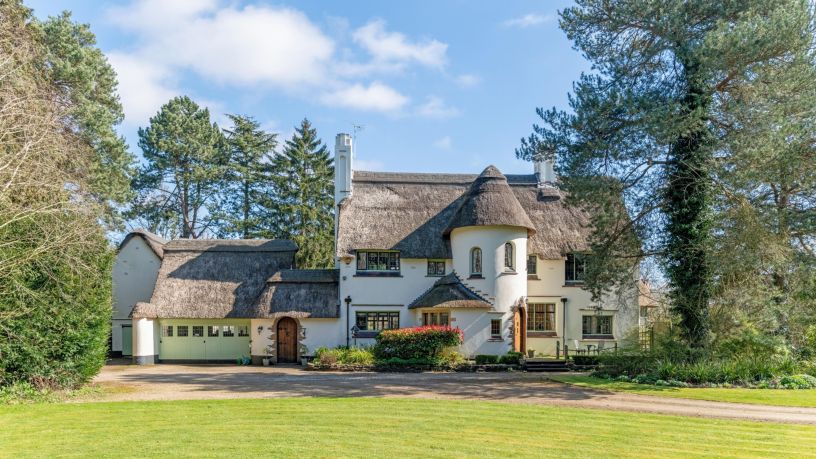
Thatched homes hold a unique place in Britain’s architectural heritage – full of character, warmth and craftsmanship. Whether you’re thinking of buying, owning or selling one, it’s useful to understand the different types of thatch, how long they last, and what can help keep them in great condition for years to come.
The Main Types of Thatch in the UK
Across the UK, three main materials are used for traditional thatching – Norfolk reed (water reed), combed wheat reed, and long straw. Each gives a home a distinctive look and offers a different lifespan.
Norfolk Reed (Water Reed)
Harvested from the reed beds of Norfolk and Suffolk, this is regarded as the most durable thatching material available. Norfolk reed creates a smooth, tightly packed finish that naturally repels water, making it ideal for exposed or coastal locations.
When installed by a skilled thatcher and properly maintained, a Norfolk reed roof can last 50 to 60 years, and in some cases even longer. Its longevity comes from its dense structure and natural resistance to weathering. Because of its quality and lifespan, it’s often seen as a long-term investment for homeowners who love the look of a traditional thatched property.
Combed Wheat Reed
Combed wheat reed offers a softer, more traditional appearance – the kind often associated with charming village cottages. It’s made by cleaning and straightening the straw, resulting in a neater, smoother finish than long straw.
A well-maintained combed wheat reed roof typically lasts 25 to 35 years, depending on the property’s location, roof pitch and level of care.
Long Straw
Long straw gives a thatch its most rustic and textured look. It has a looser finish and is particularly common in parts of central and eastern England. Although beautiful, it’s the least durable of the three, with an average lifespan of 15 to 25 years. Regular maintenance and ridge replacement help extend its life and keep it looking its best.
What Affects the Lifespan of a Thatched Roof
The material used plays a big role, but several other factors also influence how long a thatched roof lasts:
- Quality of workmanship: A skilled thatcher’s experience and technique are key to ensuring a watertight, long-lasting roof.
- Roof design: A steep roof pitch (usually 45° or more) helps rainwater run off quickly and reduces wear.
- Location and exposure: Properties in shaded, damp or windy areas can experience faster weathering.
- Regular maintenance: Ridges generally need renewal every 10-15 years, and occasional moss removal and inspections can greatly extend a roof’s life.
Buying or Owning a Thatched Property
Owning a thatched home is as much about lifestyle as it is about maintenance. These properties are loved for their charm and insulation qualities, but they do require regular care.
If you’re buying, it’s important to check:
- When the roof was last re-thatched
- What material was used
- When the ridge was renewed
- Whether any fire-retardant treatments have been applied
If you’re selling, highlight the material type, age of the thatch, and any recent work carried out. Buyers often appreciate reassurance that the roof has been well cared for.
Final Thoughts
Thatched roofs are more than just a pretty feature – they’re a living part of Britain’s architectural story. Whether it’s the enduring strength of Norfolk reed or the rustic charm of long straw, each roof is a reflection of traditional skill and natural beauty.
With the right materials, expert workmanship and ongoing care, a thatched roof can last for generations – offering not just shelter, but a true sense of character and place.
Thinking of buying or selling a thatched home? We understand the character, care and craftsmanship that make these properties so special.
Contact us today for expert advice and bespoke marketing that does your home justice.
Claire Heritage – Partner & Marketing Expert
☎️ 07894 561313
📧 claire.heritage@fineandcountry.com
Sam Funnell – Branch Partner
☎️ 07714 515484
📧 sam.funnell@fineandcountry.com
(Sources: Thatch Advice Centre, National Society of Master Thatchers, Heart of England Thatchers, Rightmove)
 Claire & Sam - Fine & Country Rugby - Property Experts