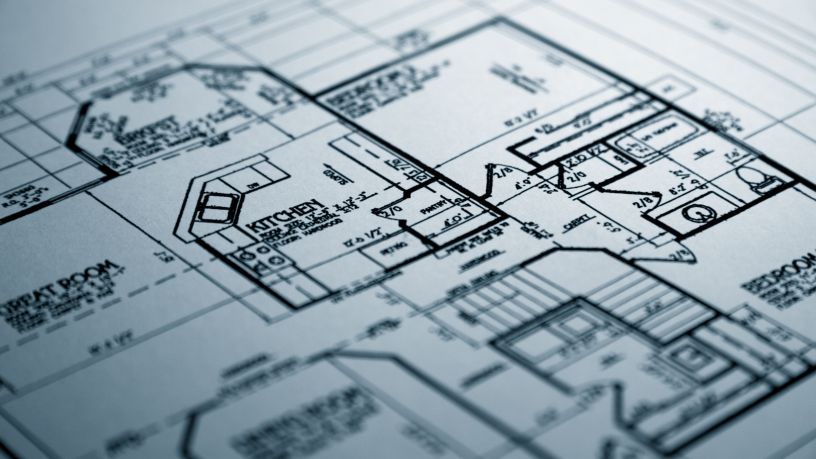
If you want to create a harmonious living space, one of the key decisions you’ll face as a homeowner is working out what’s the difference between traditional and open floor plans. Choosing between an open-plan layout or a traditional living arrangement can be challenging!
Both options have their merits, catering to different lifestyles and preferences. So, let’s explore the pros and cons of each, helping you make an informed choice that matches your vision of the perfect living space.
The Open Concept Floor Plan Advantage
Open-plan living has become increasingly popular in recent years, and for good reason. This design eliminates physical barriers, creating a seamless flow between the kitchen, dining, and living areas.
The result? Enhanced social interaction. Whether preparing a meal, entertaining guests, or catching up with family, an open-plan layout encourages togetherness. It’s a modern way of living that promotes connectivity and allows a communal atmosphere.
Pros:
- Spaciousness: Open-plan layouts can make smaller spaces appear larger and airier, which is especially beneficial for urban homes.
- Natural Light: With fewer walls, open concepts allow natural light to penetrate deeper into the living space. This brightens up your home and reduces the need for artificial lighting during the day.
- Entertaining Made Easy: With open-concept floor plans, hosting gatherings becomes a breeze. Interaction with guests can happen while you cook or set the table.
- Family Bonding: Open spaces facilitate family bonding, allowing parents to watch children while attending to household tasks.
Cons:
- Noise Travel: The lack of walls can lead to sound carrying throughout the space. Not ideal if you value peace and quiet.
- Cooking Odours: While open kitchens are great for socializing, cooking smells can permeate the living areas.
- Less Privacy: Personal retreats might be limited in an open-plan layout, making it harder to find quiet, private spaces.
The Classic Charm of a Traditional Floor Plan
On the flip side, traditional floor plans offer defined spaces, each with its purpose. In a traditional home, rooms are typically separated by walls, creating distinct areas for cooking, dining, and relaxing. When considering the difference between traditional and open floor plans, this layout can be more cosy, making it the timeless choice for many homeowners.
Pros:
- Zoned Living: Traditional layouts provide clear boundaries between different functional areas, offering privacy and seclusion for your living and dining room.
- Noise Isolation: With walls to buffer sound, noise from one area of the house is less likely to disturb other parts of the home.
- Cooking Privacy: Cooking enthusiasts can contain cooking smells within the kitchen space thanks to separate rooms.
- Design Flexibility: Walls can be used as a canvas for decoration, allowing for more diverse interior design options.
Cons:
- Limited Light: A traditional floor plan and the presence of walls can obstruct the flow of natural light, potentially making the space feel darker and smaller when sat at the dining room table.
- Less Interaction: Traditional layouts make socialising harder, potentially leading to a less connected family dynamic.
- Space Constraints: In older homes or smaller properties, traditional layouts might accentuate space limitations, making rooms feel cramped.
Finding Your Homestead Harmony – A Personal Choice
Ultimately, the decision between an open-plan layout and a traditional living arrangement hinges on your individual preferences and lifestyle. Consider these questions to help guide your choice:
- How Do You Use Your Space? Are you a social butterfly who loves hosting gatherings, or do you prefer cosy evenings by the fireside?
- Family Dynamics: How important is constant interaction with your family members? Do you value open communication or private retreats?
- Aesthetics: Do you lean toward modern, minimalist design, or do you find comfort in a more traditional, ornate style?
- Light and Space: Is natural light and the perception of spaciousness a priority for you, or are you more focused on creating cosy areas?
Your Home, Your Rules, Your Harmony!
As a homeowner, the choice between an open plan layout and a traditional living arrangement ultimately comes down to creating a harmonious environment that fits with your values and lifestyle. While open-plan layouts encourage connectivity and modernity, traditional living arrangements offer a timeless charm.
By carefully weighing up the pros and cons and considering your personal preferences, you can design a home that perfectly suits your needs, bringing about the harmony and balance you seek in your living space.
Whether you opt for open plan, free-flowing sociability or traditional, cosy, individual spaces, your home should reflect your personality and create an ambience where you can thrive.
If you’re weighing up traditional versus open-plan living and want to chat through what might work best for you, we’re always here to help.
Frequently Asked Questions: Open vs. Traditional Floor Plans
Are open-concept layouts more modern than traditional floor plans?
Yes, open concept layouts with fewer walls and a focus on natural light are a popular modern design choice. Traditional floor plans offer defined spaces for each room.
Do open floor plans make homes more energy-efficient?
Open-concept layouts can allow for better natural light penetration, potentially reducing reliance on artificial lighting. Traditional floor plans with separate rooms may offer better insulation for individual spaces.
Is an open floor plan right for large families?
Open floor plans can promote family connection but may also mean less privacy for quiet activities. Consider your family’s needs for both togetherness and individual space.
What are the benefits of a traditional floor plan with separate rooms?
Traditional floor plans offer privacy, noise control between rooms, and well-defined spaces for cooking, living, and relaxing. They may also be good for showcasing distinct design styles in each room.
Just give us a call or drop us an email – we’d love to hear from you.
Claire Heritage – Partner & Marketing Expert
☎️ 07894 561313
📧 claire.heritage@fineandcountry.com
Sam Funnell – Branch Partner
☎️ 07714 515484
📧 sam.funnell@fineandcountry.com
 Claire & Sam - Fine & Country Rugby - Property Experts